Adopting Our Own Ways of Being
ABSTRACT
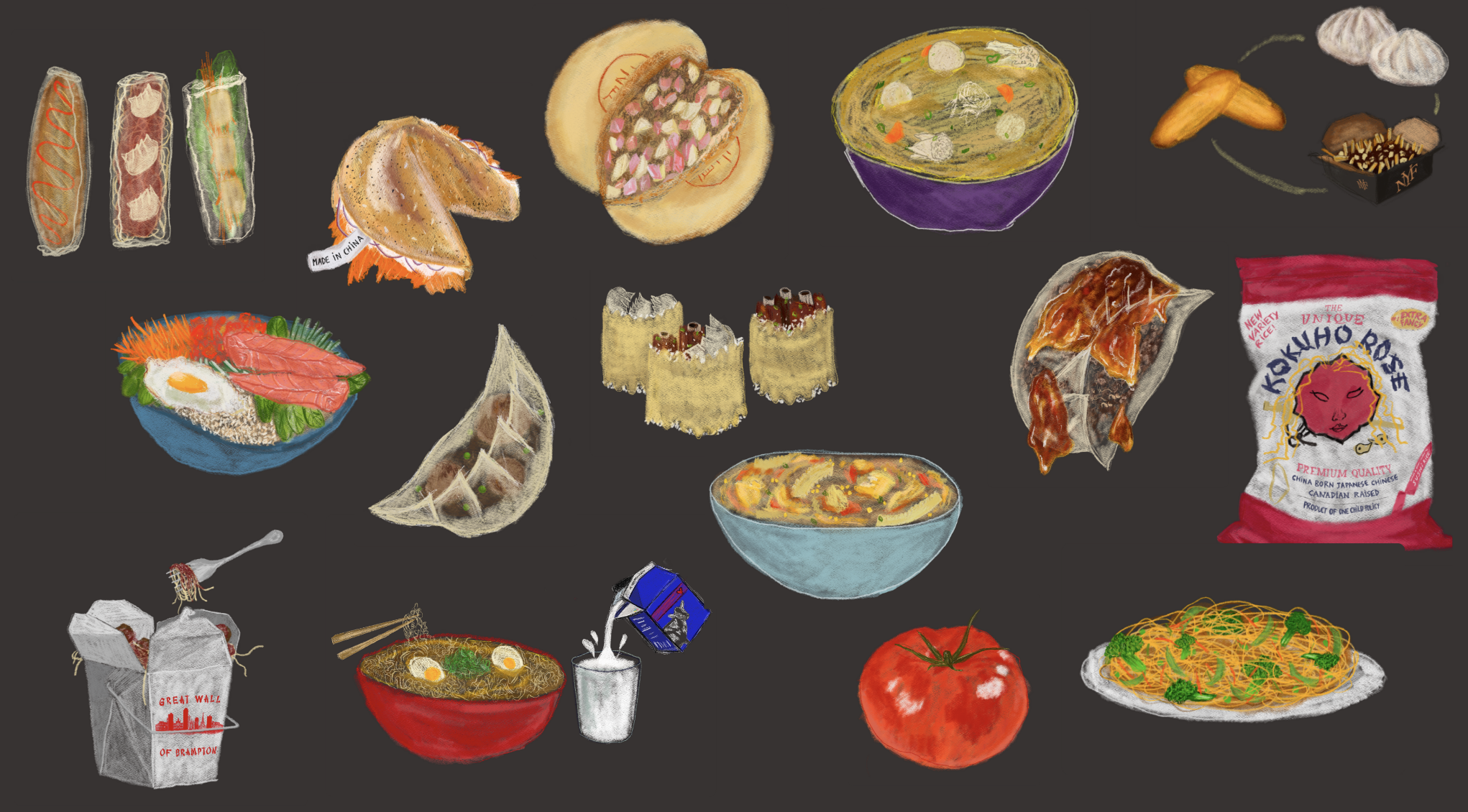
Food has a major influence on individual and group identities. Given its impact, what does food mean for those who do not feel as though they belong to any given established group? How do people deconstruct choices in what, how, where, and when they cook and eat, and why? To explore these questions, this thesis project undertook an auto-ethnographic and arts-based approach to understand the lived experiences in relation to the foodways of adoptees in the Chinese Canadian Adoptees (CCA) community and to provide opportunities in community building and healing. In our conversations, the adoptees outline various relationships members of the community have with food; including familial memories, social bonds with friends and family, cultural (dis)connection, and social belonging. A few of the adoptees came to this project with a very low interest in food, meaning they did not consider themselves good cooks or foodies. However, all of them were able to attribute various aspects of their foodways to their cultural identity and feelings on belonging in Canada, which then was illustrated as drawings I call, “food entities.” Overall, the project revealed ways food, in all of its forms, can be both a weapon towards the alienation of Chinese Canadian Adoptees (CCAs) and simultaneously a healer and catalyst for feelings of belonging.